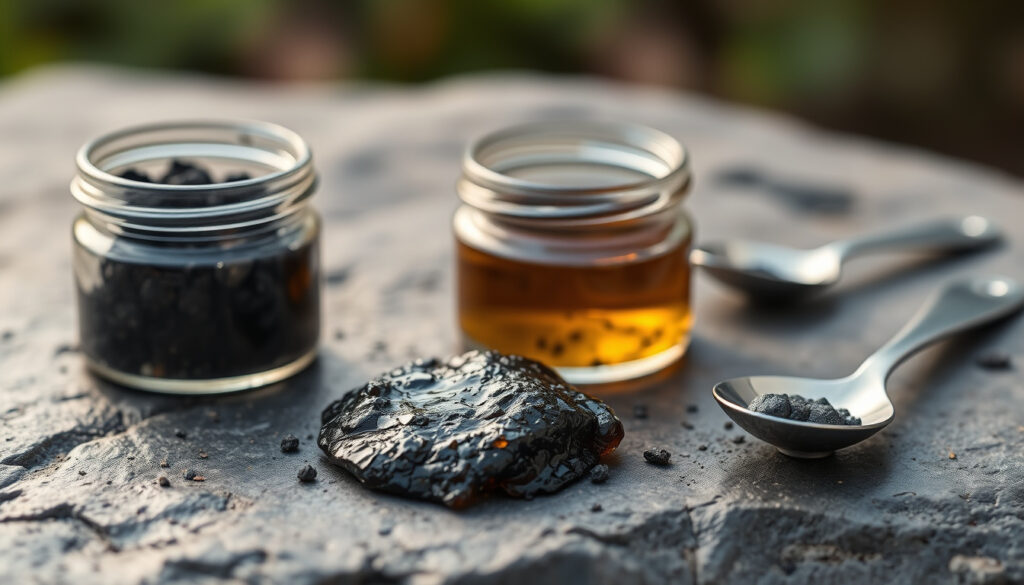
Shilajit Benefits for Females: Dosage, Side Effects & Comparisons
If you’ve come across shilajit in wellness circles, you’ve likely seen it described as a potent Himalayan resin with near-magical properties. But what does the evidence actually say for women? This article sifts through traditional Ayurvedic claims and modern clinical findings to give you a grounded look at the potential benefits, risks, and how shilajit stacks up against other supplements like ashwagandha.
Potential benefits identified by Cleveland Clinic: 11 ·
Citations in a women’s skin study (PMC): 32 ·
Traditional use in Ayurveda: Over 3,000 years ·
Target age group in recent research: Women 30-45 ·
Active compound: Fulvic acid
Quick snapshot
- Contains fulvic acid, a bioactive compound (Cleveland Clinic (health resource))
- Used for centuries in Ayurvedic medicine (Health.com (wellness publication))
- Effectiveness for belly fat reduction
- Mechanism for hormone regulation in women
- Libido enhancement
- Traditional use documented for over 3,000 years in Ayurveda (Health.com)
- More clinical trials focused on female populations are needed (Ubie (medical Q&A platform))
Here are key facts about shilajit for women.
| Active compound | Fulvic acid |
|---|---|
| Origin | Himalayan rock exudate |
| Traditional system | Ayurveda |
| Key study | Skin transcriptome study on middle-aged women (NIH (PMC7027386)) |
| Common dosage | 300–500 mg per day |
| Potential side effects | Heavy metal toxicity, GI upset (Verywell Health) |
| Who should avoid | Pregnant/breastfeeding, those with high iron, certain cancers (Verywell Health) |
Is Shilajit good for females?
What specific benefits do females experience?
- Cleveland Clinic lists 11 potential benefits including anti-aging, energy, and inflammation reduction, but states evidence is insufficient to claim it prevents or treats any condition.
- A 2019 study on middle-aged women (NIH) found changes in skin gene expression after shilajit supplementation, suggesting possible skin health support.
- Traditional Ayurvedic use includes treating inflammatory conditions like eczema and diabetes (Cleveland Clinic).
Does Shilajit affect female hormones?
Some sources claim shilajit may help with hormonal balance, particularly for PCOS and menopause symptoms (PharmEasy). However, Ubie notes that evidence in women is limited and these claims are unproven. Notably, Cleveland Clinic warns that shilajit may increase testosterone in women, potentially causing acne, irregular periods, and hair loss.
Can Shilajit improve libido in women?
Shilajit has a long history as an aphrodisiac in Ayurveda (Cleveland Clinic), and Ubie reports it may support libido in some women aged 30–45 through cellular energy and antioxidant defenses. Still, direct clinical evidence for libido enhancement in women is lacking.
For women hoping for hormonal or libido benefits, the evidence is mostly anecdotal or extrapolated from male studies. The same compound that may boost testosterone in men could disrupt female hormonal balance.
The implication: Shilajit shows promise for general wellness and skin health in women, but hormone-specific claims remain unsubstantiated. Anyone considering it for hormonal issues should proceed with caution.
Does Shilajit reduce belly fat?
Is there evidence for belly fat reduction?
- No direct clinical trials have examined shilajit’s effect on belly fat in women (Cleveland Clinic).
- Health.com notes that shilajit may support energy during exercise, which could indirectly aid weight management, but this is not the same as targeted fat loss.
Does Shilajit cause weight gain?
Anecdotal reports mention weight gain in some users, though this is not documented in clinical literature. WebMD states that side effects are not well studied, so both weight gain and weight loss remain possible but unconfirmed.
If you’re hoping shilajit will help with belly fat, the data simply isn’t there. Metabolic benefits seen in animal or general studies don’t reliably translate to fat reduction in the midsection.
The pattern: Weight management claims rely on extrapolation, not direct evidence. For women targeting belly fat, lifestyle changes remain better supported.
How much Shilajit should a woman take?
What is the recommended dosage for women?
- Clinical studies have used doses between 300 and 500 mg once per day (Health.com).
- Start with a lower dose to assess tolerance, especially given potential heavy metal content (Verywell Health).
When is the best time to take Shilajit?
Traditional advice suggests taking shilajit in the morning or before meals with warm milk or water. This aligns with Ayurvedic practice and may help with energy levels throughout the day.
How should Shilajit be consumed?
- Dissolve a pea-sized amount (about 300-500 mg) of shilajit resin or powder in warm water or milk.
- Stir until fully dissolved and drink immediately.
- Do not exceed the recommended dose. Avoid taking with caffeine or acidic beverages.
Without standardized dosing for women, users are relying on general guidelines. The presence of heavy metals in some batches (Verywell Health) makes purity certification critical before starting any regimen.
The trade-off: Higher doses may increase benefits but also risk toxicity. Stick to conservative amounts and choose reputable brands that test for contaminants.
What should be avoided when taking Shilajit?
What are the common side effects?
- Heavy metal toxicity (arsenic, lead, mercury) if the product is unpurified (Verywell Health).
- Severe allergic reactions including anaphylaxis, skin redness, and heart rate changes (WebMD).
- Gastrointestinal upset, especially on an empty stomach.
Who should avoid Shilajit?
Pregnant or breastfeeding women, people with excessive iron levels (hemochromatosis), and those with certain cancers should avoid shilajit (Verywell Health). Cleveland Clinic also advises caution for anyone on blood pressure medication or with hormone-sensitive conditions.
What interactions are known?
Shilajit may lower blood sugar, so those on diabetes medication should monitor levels (PharmEasy). It could also interfere with blood pressure meds due to its potential effects on nitric oxide.
The catch: Shilajit’s benefits are most accessible to healthy adults not on medication. For anyone with chronic conditions, the risk profile changes significantly.
What is better, ashwagandha or shilajit?
How does Shilajit compare to Ashwagandha?
Both are Ayurvedic staples but work differently. Shilajit is a mineral-rich resin primarily used for energy and cellular health, while ashwagandha is an adaptogenic herb focused on stress reduction and cortisol balance (Cleveland Clinic).
Six points of difference, one pattern: Shilajit targets physical energy via fulvic acid; ashwagandha targets stress resilience via withanolides.
| Feature | Shilajit | Ashwagandha |
|---|---|---|
| Primary mechanism | Fulvic acid for mitochondrial energy | Withanolides for stress adaptation |
| Best for | Energy, stamina, skin health | Stress, anxiety, sleep quality |
| Hormonal impact | May increase testosterone (unwanted in women) | May lower cortisol, support thyroid |
| Side effects | Heavy metal risk, GI upset | Generally well-tolerated (mild drowsiness) |
| Dosage | 300-500 mg once daily | 300-600 mg once or twice daily |
| Evidence for women | Limited, mostly general studies | More research in women (stress, menopause) |
Which is better for stress?
Ashwagandha is the clear winner for stress and anxiety, with multiple randomized trials supporting its adaptogenic effects (Cleveland Clinic). Shilajit’s magnesium content may help calm the nervous system, but it is not a primary stress supplement.
Which is better for energy?
Shilajit takes the lead for physical energy and exercise performance due to its effect on cellular energy production (Health.com). Many women cycle between the two: ashwagandha in the evening for stress, shilajit in the morning for energy.
For women seeking to manage stress, ashwagandha has superior evidence. For those wanting a metabolic and energy boost, shilajit may complement, but should be chosen with purity in mind.
Upsides
- Contains biologically active fulvic acid with antioxidant properties
- Long tradition of safe use in Ayurveda when properly purified
- Preliminary evidence supports energy, skin, and anti-aging benefits
- Generally well-tolerated in short-term use
Downsides
- Potential heavy metal contamination in unpurified products
- May increase testosterone, causing hormonal side effects in women
- Limited to no evidence for belly fat reduction or libido enhancement
- Lack of long-term safety studies in female populations
How to take shilajit safely (step by step)
- Source a reputable brand that provides third-party lab testing for heavy metals and purity. Look for “fulvic acid content” on the label.
- Start with a low dose — 100–200 mg per day — for the first week to assess tolerance.
- Take with warm milk or water in the morning on an empty stomach for best absorption.
- Monitor for side effects like GI upset, skin reactions, or changes in menstrual cycle.
- Cycle usage: use for 6–8 weeks, then take a 2-week break to prevent tolerance or accumulation.
- Consult a healthcare provider before starting, especially if you are on medication, pregnant, or have a chronic condition.
For related reading on metabolism and back pain, see our guides on How to Speed Up Metabolism Naturally: Science-Backed Tips and Best Yoga Poses for Back Pain: Cat-Cow, Child’s Pose, Cobra.
What’s confirmed vs what remains unclear
Confirmed facts
- Shilajit contains fulvic acid, a powerful antioxidant (Cleveland Clinic)
- Used for over 3,000 years in Ayurvedic medicine (Health.com)
- Potential anti-aging and anti-inflammatory properties (Cleveland Clinic)
- Heavy metal contamination is a real concern (Verywell Health)
What remains unclear
- Effectiveness for belly fat or weight loss in women
- Hormone-balancing mechanism specifically for female physiology
- Libido enhancement beyond anecdotal reports
- Long-term safety at standard doses
- Whether benefits observed in men apply equally to women
What experts say about shilajit for women
“It is not clear whether shilajit can benefit health. The evidence is insufficient to say it prevents, treats, or cures any medical condition.”
Cleveland Clinic (health resource)
“Supplementation with shilajit led to changes in skin gene expression in middle-aged women, suggesting potential skin health benefits.”
“Possible serious side effects include heavy metal toxicity, anaphylaxis, skin redness, and changes in heart rate.”
Verywell Health (health information site)
“The evidence for hormone-balancing claims is limited and unproven in women.”
Ubie (medical Q&A platform)
For women considering shilajit, the choice is clear: use it for energy and general wellness with a high-quality, tested product — or wait until more female-specific clinical data emerges. Without that data, the risk of hormonal disruption or heavy metal exposure may outweigh the unproven benefits.
While this guide focuses on women, those interested in the male perspective can explore shilajit benefits for male health for a detailed research overview.
Frequently asked questions
Can Shilajit help with fertility in women?
There is no direct evidence that shilajit improves female fertility. Most research focuses on male fertility and sperm count (Cleveland Clinic). In women, high testosterone from shilajit could interfere with ovulation.
Is Shilajit safe during pregnancy or breastfeeding?
No. Verywell Health advises pregnant and breastfeeding individuals to avoid shilajit due to heavy metal contamination risk and lack of safety data.
Does Shilajit interact with birth control pills?
There are no documented interactions, but because shilajit may affect hormone levels (including testosterone), it could theoretically interfere with hormonal contraceptives. Consult your doctor.
Can I take Shilajit with other supplements?
Yes, shilajit is often combined with ashwagandha for energy and stress support, and with milk or ghee for better absorption. Avoid combining with iron supplements without medical advice, as shilajit may increase iron absorption (Verywell Health).
What is the difference between shilajit resin and powder?
Resin is the traditional form, purified and concentrated; powder is processed and easier to measure. Both contain fulvic acid, but resin is less processed and may retain more minerals.
How long does it take for shilajit to work?
Some users report increased energy within a week, but noticeable benefits for skin or general well-being may take 4–8 weeks of consistent use. Long-term effects are not well studied.
Are there any long-term risks of taking shilajit?
The biggest long-term risk is cumulative heavy metal toxicity. Verywell Health warns that even purified shilajit may contain trace metals. There are no long-term safety studies in humans.
What is the best brand of shilajit for women?
No brand is universally recommended, but look for products with third-party purity testing (e.g., USP, NSF), clear fulvic acid percentage, and no added fillers. User reviews on forums often highlight brands that provide heavy metal test results.
More related posts
 Cliffs of Moher Boat Tour: Worth It? Duration, Price & More
 75 kg in Stone and Pounds: NHS Guide & Chart
 David Lynch Movies and TV Shows: Complete Guide to His Surreal World
 De La Salle Dundalk: Fees, Admission, Uniform & Principal
 Flights Dublin to Dubai: Direct, Cheap & Tips
 AA Ireland Breakdown Number 0818 227 228 – 24/7 Contact Guide
 Love Holidays Discount Code: How to Save on Holidays
