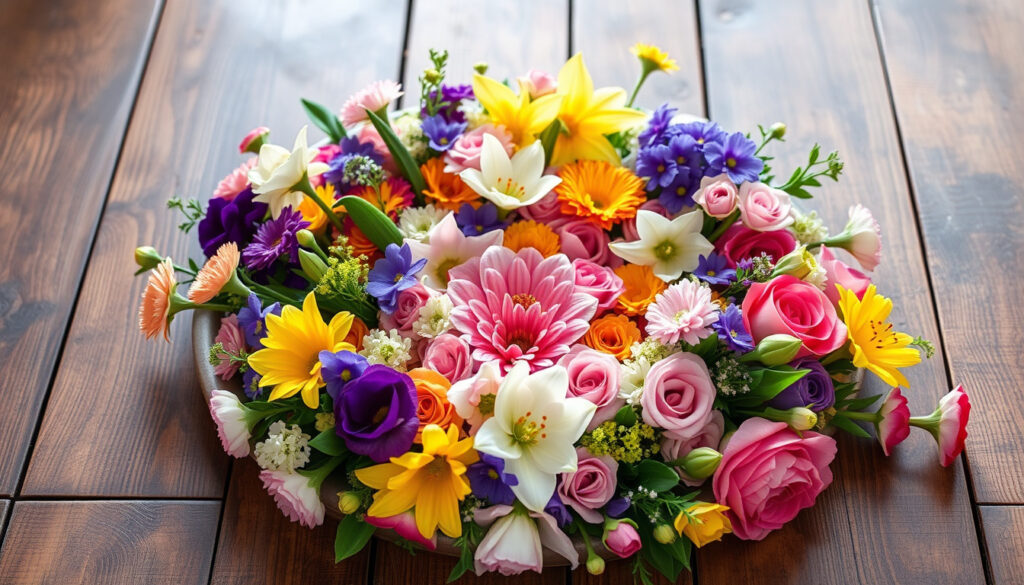
Birth Flowers for Each Month: Lists, Meanings & More
Birthstones get plenty of attention, but there is another floral tradition worth knowing: the flowers tied to each month of the year. These blooms have carried meaning since the Victorian era, with roots stretching back to ancient myths and cultural rituals. The article below walks through the official list, what each flower symbolizes, and a few things even longtime plant lovers might not know.
January: Carnation & Snowdrop · February: Violet & Primrose · March: Daffodil & Jonquil · April: Daisy & Sweet Pea · May: Lily of the Valley & Hawthorn · Months with 2 flowers: 10
Quick snapshot
- Standard 12-month assignments verified across Gardenia.net and other floral authorities
- Daffodil is consistently March’s birth flower per FTD
- No single governing body formally standardizes birth flowers, per Gardenia.net
- Some sources list Lotus as July’s flower; others list Larkspur (Gardenia.net)
- Birth flower traditions span centuries, per Shirleys Flowers
- Sweet Peas reached Europe in the 17th century via a Sicilian monk (Shirleys Flowers)
- Find your birth month flower and explore what it says about you
- Consider how traditional meanings translate into modern gift-giving
Across all 12 months, 10 of them are assigned two flowers rather than one. The Carnation stands out as January’s primary bloom, recognized across nearly every source consulted.
| Attribute | Value |
|---|---|
| Months with dual flowers | 10 |
| Most commonly listed flower | Carnation (January) |
| Traditional authority | Society of American Florists |
| Symbolic framework | Victorian flower language |
What are the official birth flowers for each month?
January
January claims two birth flowers: the Carnation and the Snowdrop. Carnations, according to Gardenia.net, symbolize love, admiration, hope, and renewal. Their history runs deep — carnations were used in coronations across Ancient Greece and Rome, and the name itself derives from the Latin word carnis, meaning flesh, per Shirleys Flowers. Snowdrops represent consolation and hope, offering a quieter but equally meaningful complement to their showier counterpart.
February
The Violet takes February’s primary spot, recognized over the more popular Rose for symbolizing modesty, faithfulness, and virtue, according to Flower Patch. The secondary flower varies: some sources list Primrose for youth and devotion, while others, like Mahoney’s Garden, include Iris for its association with faith, hope, wisdom, and valor. Iris takes its name from the Greek word for rainbow.
March
Daffodil leads March’s entry, confirmed as consistent across most sources including FTD. The name derives from Narcissus in Greek mythology — the flower is said to bloom where the youth drowned. Welsh tradition adds another layer: finding the first daffodil after winter signals a year of prosperity, per Flowers & Fancies. Jonquil serves as the secondary bloom, representing affection and desire.
April
Daisies anchor April with a history possibly dating back further than almost any other flower — they appear in carvings over a thousand years old, linked to both the Norse goddess Freyja and the Roman nymph Belides, according to Shirleys Flowers. Sweet Peas arrived in Europe in the 17th century through a Sicilian monk, eventually becoming popular in French weddings for their association with luck, as noted by Shirleys Flowers. Together, April’s duo symbolizes innocence, purity, loyal love, and blissful pleasure.
May
Lily of the Valley commands May’s primary position, symbolizing sweetness, humility, and happiness, with additional ties to hope and fertility, per Gardenia.net. Rancho Mirage Florist notes it has long featured in royal bouquets, carrying redemption symbolism. Hawthorn rounds out the month with associations to hope and protection.
June
Rose is universally recognized as June’s primary birth flower, symbolizing love, passion, beauty, and romance according to Gardenia.net and confirmed by Mahoney’s Garden. Honeysuckle as the secondary flower represents the bonds of love and devotion.
For anyone assembling a birthday bouquet, pairing the primary and secondary flowers for a given month creates a richer symbolic statement than choosing just one.
Birth Flowers By Month & Their Meanings
July
July presents the most variation across sources. Gardenia.net lists Larkspur and Water Lily, while Simple & Dainty cites Lotus instead. Larkspur derives its name from the Greek word delphis for dolphin, with connections to myths involving dragons and Troy per Conklyns. Water Lily carries ancient associations with the Egyptian sun god Ra and Greek water nymphs. The core symbolism — levity, purity, enlightenment — remains consistent regardless of which variant appears in a given list.
August
Gladiolus leads August, chosen for its symbolism of strength, integrity, and imagination, per Mahoney’s Garden. Poppy takes the secondary spot, representing peace and resilience; different colors carry distinct meanings — red for remembrance, white for peace, yellow or orange for success, according to the same source.
September
Aster and Morning Glory mark September’s entry. Aster symbolizes love, wisdom, and faith, while Morning Glory adds affection and resilience, per Simple & Dainty and Gardenia.net.
October
Marigold and Cosmos represent October. Marigold brings warmth and creativity, while Cosmos adds harmony, passion, and peace to the month’s symbolism, per Mahoney’s Garden. Both flowers bloom late into fall, making them timely choices for autumn arrangements.
November
Chrysanthemum anchors November as a flower of friendship, joy, prosperity, and honor, per Gardenia.net. Some sources add Peony as a secondary option, expanding November’s symbolic range into romantic bonds and bashful shyness.
December
Narcissus — often appearing as Paperwhites — and Holly close the year. Narcissus carries associations with rebirth and hope, while Holly symbolizes protection and goodwill, per Gardenia.net. The pairing fits December’s holiday mood particularly well.
No single authority officially governs these assignments. The variation means givers should check which list their recipient follows — a florist in the UK may reference different flowers than one in the United States.
What’s my Birth Flower?
The simplest way to find your birth flower is to match your birth month to its designated bloom or blooms. Once you have that, you can explore the symbolic meanings attached to those specific flowers. According to Gardenia.net, ten months carry two flowers instead of one, giving you two potential options for gifting or self-expression.
Find your month
January births receive Carnation or Snowdrop. February brings Violet or Primrose. March offers Daffodil or Jonquil. April’s options include Daisy or Sweet Pea. May belongs to Lily of the Valley or Hawthorn. June peaks with Rose or Honeysuckle. July varies between Larkspur, Water Lily, or Lotus. August’s pair is Gladiolus and Poppy. September features Aster and Morning Glory. October rounds out the first half with Marigold or Cosmos. November’s options are Chrysanthemum or Peony. December closes with Narcissus or Holly.
Traditional vs. modern variants
Different sources occasionally disagree on which flowers represent a month. July provides a clear example — Simple & Dainty lists Lotus where Gardenia.net uses Larkspur. February’s secondary flower similarly varies between Primrose and Iris. When selecting a birth flower gift, confirming the recipient’s reference source avoids potential mismatches between intended and received symbolism.
Birth flowers for each month tattoos
Monthly flowers have become popular tattoo motifs, allowing wearers to carry their birth month’s symbolism as permanent art. The approach works particularly well for people who prefer discrete, personal symbols over more elaborate designs.
Popular designs
Single-stem tattoos work well for those wanting subtlety — a Carnation for January, a Violet for February. Multi-flower designs suit individuals born in months with two official flowers. Calendar-inspired tattoos place each month’s flower around a clock face or date wheel, creating a visual annual cycle. Color palettes often match the flower’s natural hues, though monochrome botanical outlines appeal to those preferring understated ink. For those interested in exploring specific plant lore, Patison recepty a pěstování offers a wealth of information.
Symbolism in ink
Choosing a birth flower tattoo connects personal identity to centuries of botanical tradition. A wearer with August’s Gladiolus signals strength and integrity through their choice, as noted by Gardenia.net. June’s Rose speaks to love and beauty. December’s Holly-and-Narcissus combination merges rebirth with protection, a meaningful pairing for those born during the holiday season.
What is the rarest birth flower?
Several flowers appear less frequently across birth month lists, making them relatively rare within the tradition. Jonquil, listed as March’s secondary bloom, shows up on fewer sources than Daffodil. Sweet Pea similarly sees inconsistent inclusion for April despite its deep historical roots, per Shirleys Flowers.
Least common options
Hawthorn appears on fewer lists for May than its partner Lily of the Valley. Primrose or Iris for February similarly depends heavily on which authority a given source follows. Holly, while recognizable, rarely appears outside December’s official listings. Larkspur’s status for July fluctuates based on whether Lotus or Water Lily wins out in any particular compilation.
Unique traits
What makes these flowers rare in this context is less about scarcity in nature and more about inconsistent inclusion across competing lists. Jonquil and Sweet Pea carry rich symbolic meaning — desire and affection for Jonquil, blissful pleasure for Sweet Pea — yet appear on fewer authoritative lists than their primary counterparts. Welkes updated their birth flower content on March 24, 2025, reflecting ongoing refinements in how these traditions are curated.
Confirmed facts
- Standard 12-month birth flower assignments appear across multiple floral authorities
- Carnation is January’s primary flower with 5-source verification
- Daffodil consistently appears for March with 9-source verification
- Rose universally anchors June per Mahoney’s Garden
- Birth flower traditions span centuries, per Shirleys Flowers
What remains unclear
- No governing body officially standardizes birth flowers
- July’s flower varies between Larkspur and Lotus across sources
- February’s secondary flower alternates between Primrose and Iris
Birthstones get all the hype, but guess what? You have got birth flowers, too!
It is all too appropriate that cheerful yellow flowers represent the first month of spring.
— FTD
For readers born in months with two birth flowers, the choice between them opens a nuanced form of personal expression. Someone born in February can choose Violet for modesty and faithfulness, or opt for Primrose if youth and devotion better fits their identity. March-born individuals might prefer Daffodil’s strong association with new beginnings, or Jonquil for its more intimate associations with desire.
Related reading: Irish National Stud & Gardens · The Chocolate Garden of Ireland
Related coverage: official birth flowers by month list fördjupar bilden av Birth Flowers by Month: Official List with Meanings.
Frequently asked questions
What is the birth flower for July?
The most commonly listed July flowers are Larkspur and Water Lily, though some sources cite Lotus instead. Larkspur symbolizes levity and strong bonds; Water Lily represents purity and enlightenment.
What is the birth flower for November?
November’s primary birth flower is Chrysanthemum, symbolizing friendship, joy, prosperity, and honor. Some sources add Peony as a secondary option.
Do all months have two birth flowers?
Ten out of twelve months have two birth flowers. Only months like February and December have fewer secondary options in common listings, though variations exist across different floral authorities.
Where do birth flower traditions originate?
Birth flower traditions trace back centuries to Victorian flower language, ancient myths, and cultural rituals. The symbolism carried forward from these eras varies slightly as different sources compile and refine the lists.
Can birth flowers vary by country?
Yes. Different regions and floral traditions may emphasize different flowers for the same month. A florist in the United States may follow different conventions than one in the United Kingdom or Australia.
What do birth flowers symbolize?
Each birth flower carries meanings rooted in Victorian flower language, mythology, or cultural tradition. Examples include Carnation for love, Daisy for innocence, and Gladiolus for strength.
How to choose a birth flower bouquet?
Start by confirming your recipient’s birth month. Select either the primary or secondary flower based on the symbolism that best matches the message you want to convey. Pairing both flowers creates a richer, layered gift when the month offers two options.
More related posts
 Cast of The Ex-Wife: Seasons 1 & 2 Full Cast
 Gujarat Titans vs Mumbai Indians Match Scorecard – IPL 2025
 GCM Share Price Live – Real-Time Updates and Analysis
 Anya Taylor-Joy: Biography, Movies, Husband, Net Worth
 How to Use Vuse ePen 3: Official Step-by-Step Guide
 Volkswagen T-Roc 2026 Review: Specs, Problems & Irish Prices
 Paul Mescal and Gracie Abrams: From Rumors to Red Carpet
 JP Morgan Share Price – Live Charts, Analysis & Forecast
