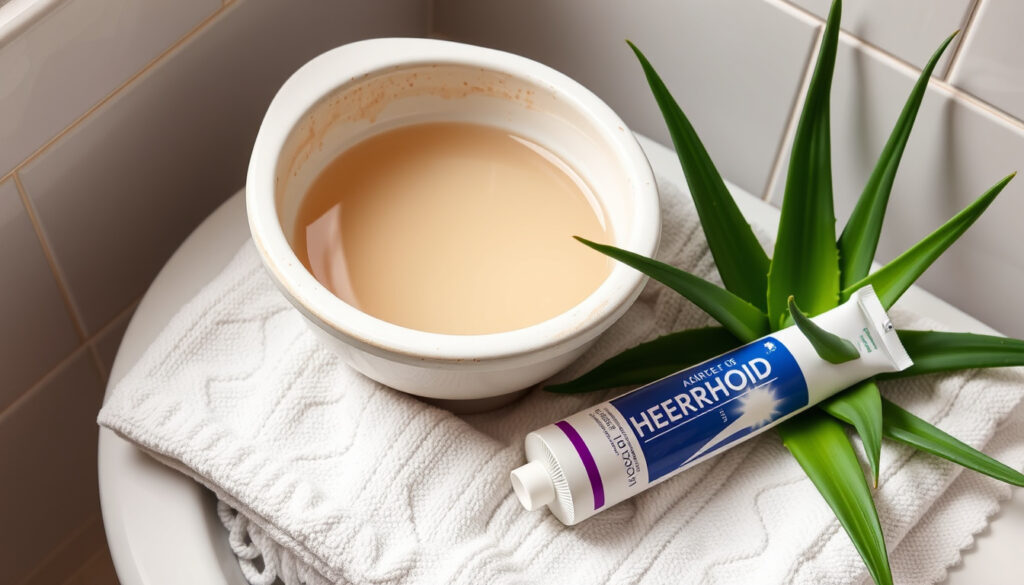
How to Get Rid of Piles: Fast Relief and Home Remedies
If you’ve ever felt that uncomfortable itch or noticed blood on the toilet paper, you’re not alone. Piles (hemorrhoids) are one of the most common health complaints, affecting up to 50% of adults, but most cases resolve on their own within a few days to a week.
Adults affected by piles at some point: Up to 50% ·
Typical duration without treatment: A few days to 1–2 weeks ·
Common symptom: Painless bleeding during bowel movements ·
Effective home remedy: Warm sitz baths for 10–15 minutes
Quick snapshot
- High-fiber diet reduces constipation and straining (NHS (UK health authority))
- Most hemorrhoids resolve spontaneously within a week (NHS)
- Over-the-counter hydrocortisone creams provide temporary relief (Mayo Clinic (US medical center))
- Exact reason why some individuals develop chronic hemorrhoids
- Long-term effectiveness of home remedies compared to medical procedures
- Symptoms often improve within a few days without treatment (NHS)
- If no improvement after 1–2 weeks, consult a doctor (Mayo Clinic)
- Medical procedures such as rubber band ligation can shrink piles if home care fails (NHS)
- Pregnancy-related piles often improve after childbirth (NHS (pregnancy guidance))
Eight key facts, one pattern: piles are almost always manageable with simple lifestyle changes and over-the-counter products before escalation becomes necessary.
| Fact | Detail |
|---|---|
| Definition | Swollen and inflamed veins in the rectum and anus. |
| Common symptoms | Itching, pain, bleeding during bowel movements, lumps near the anus. |
| Prevalence | Affects up to 50% of adults at some point in life (NIDDK (US national institute)). |
| Typical recovery time | Most mild cases resolve in a few days to 2 weeks (NHS). |
| Common cause | Straining during bowel movements due to constipation (Mayo Clinic). |
| Home care method | Warm sitz baths for 10–15 minutes, several times a day (NIDDK). |
| OTC product | Hydrocortisone cream or witch hazel pads (Mayo Clinic). |
| Medical option | Rubber band ligation cuts off blood supply, causing the hemorrhoid to shrink (NHS). |
What is the quickest way to get rid of piles?
When piles flare up, speed matters. The most immediate relief comes from cold and heat applied directly to the area.
- Apply an ice pack wrapped in a towel for up to 10 minutes, three times a day (NHS).
- Take warm sitz baths for 10–15 minutes several times a day (Mayo Clinic).
- Use over-the-counter hemorrhoid creams or suppositories containing hydrocortisone (Mayo Clinic).
- Take paracetamol if piles hurt (NHS).
- Increase fiber intake to soften stools and reduce straining (NIDDK).
- Gently push the pile back inside if it can be pushed in (NHS).
What shrinks hemorrhoids fastest?
Ice packs cause vasoconstriction, shrinking swollen tissue quickly. Combined with sitz baths, this one-two punch reduces pain and inflammation within hours for many people (Mayo Clinic).
What naturally kills hemorrhoids?
- Witch hazel pads have astringent properties that may shrink tissue (Mayo Clinic).
- Drinking lots of fluid softens stools (NHS).
- Warm water soaks (sitz baths) help relax the anal sphincter (NIDDK).
For someone in the middle of a painful flare, starting with an ice pack and a sitz bath within the first hour can cut recovery time from days to hours — but consistent fiber and hydration are what prevent the next episode.
How can I get rid of piles naturally?
Natural approaches focus entirely on stool softening and inflammation reduction. No single herb or supplement is proven to “kill” hemorrhoids, but consistent habits do work.
- Eat high-fiber foods: fruits, vegetables, whole grains, and legumes (Mayo Clinic).
- Stay hydrated — drink non-alcoholic liquids throughout the day (NIDDK).
- Avoid straining when passing stool (NHS (pregnancy guidance)).
- Use moist toilet paper rather than dry after passing stool (NHS).
How can I get rid of piles permanently?
Permanent resolution often requires medical intervention. Home remedies manage symptoms but may not eliminate the underlying vein abnormalities. Procedures like rubber band ligation or sclerotherapy physically remove or shrink the hemorrhoid (NHS).
A patient who wants permanent relief without lifestyle changes faces a choice: commit to daily fiber and hydration, or opt for a 15-minute procedure that resolves the immediate problem but doesn’t address the underlying dietary and toileting habits.
How can I get rid of external hemorrhoids in 48 hours?
External hemorrhoids — those that form under the skin around the anus — can be particularly painful. To get relief within 48 hours:
- Apply an ice pack immediately and repeat every 2–3 hours for the first day (NHS).
- Take warm sitz baths (never hot) for 10–15 minutes, 3–4 times a day (Mayo Clinic).
- Use a numbing cream or witch hazel pads (Mayo Clinic).
- Take ibuprofen or acetaminophen for pain (Mayo Clinic).
- Avoid sitting for long periods; stand or walk intermittently (NHS).
The pattern: fast relief is possible within 48 hours for most external piles if you combine cold, heat, and pain management. But if swelling persists beyond 72 hours, a medical evaluation is warranted.
What are the main causes of piles?
Understanding why piles develop is the first step to preventing them. The primary driver is increased pressure in the pelvic and rectal veins.
- Straining during bowel movements due to constipation or diarrhea (Mayo Clinic).
- Prolonged sitting on the toilet (NIDDK).
- Chronic constipation or diarrhea (NHS).
- Obesity (excess abdominal pressure) (Mayo Clinic).
- Pregnancy and childbirth (NHS (pregnancy guidance)).
- Low-fiber diet (NIDDK).
- Age — tissues weaken with age (NHS).
What this means: nearly every cause is modifiable. The patient who addresses constipation, sitting habits, and diet can reduce their risk dramatically.
Does piles go away on its own?
For many people, yes. Mild hemorrhoids often resolve without any treatment. But the answer depends on severity and whether the underlying triggers are addressed.
How long do piles usually last?
- Most mild cases resolve within a few days to a week (NHS).
- Symptoms may recur if underlying causes (e.g., constipation) are not corrected (Mayo Clinic).
Is it okay to leave piles untreated?
- Leaving piles untreated can lead to complications such as thrombosis or anemia from chronic bleeding (NHS).
- Persistent or severe symptoms require medical evaluation (Mayo Clinic).
A pile that becomes hard, extremely painful, or causes bright red bleeding that doesn’t stop within a few minutes is a sign of thrombosis — this needs same-day medical attention.
What food to avoid in piles?
Diet plays a central role in both causing and relieving piles. Some foods aggravate constipation or directly irritate hemorrhoids.
- Low-fiber foods like processed snacks, white bread, and red meat can worsen constipation (NIDDK).
- Spicy foods may irritate existing hemorrhoids (Mayo Clinic).
- Caffeine and alcohol can dehydrate and lead to hard stools (NHS).
- Dairy products may contribute to constipation in some individuals (Mayo Clinic).
The catch: there’s no one-size-fits-all list. The patient who identifies their personal triggers — through a food diary — will have the most success.
What is the treatment for piles in females?
Women often experience piles during pregnancy and after childbirth. The same general treatments apply, but with a few important considerations.
- Pregnancy-related piles often improve after childbirth (NHS (pregnancy guidance)).
- Same home remedies apply: warm baths, ice packs, fiber, and hydration (NHS).
- Topical treatments safe during pregnancy should be checked with a doctor — avoid hydrocortisone without medical advice (Mayo Clinic).
- Medical procedures are available for persistent cases after pregnancy (NHS).
Why this matters: For a pregnant woman, managing piles means balancing symptom relief with fetal safety. Warm water and fiber are the safest first line; any medication requires a doctor’s green light.
Upsides
- Home remedies are free and accessible to everyone.
- Sitz baths and ice packs provide immediate relief.
- Dietary changes prevent recurrence without side effects.
- OTC creams are effective for short-term symptoms.
- Most piles resolve without medical procedures.
Downsides
- Home remedies may not work for severe or chronic piles.
- OTC creams can cause skin thinning if overused.
- Dietary changes take discipline and time to show effect.
- Untreated piles can lead to thrombosis or anemia.
- Medical procedures carry risks of infection or recurrence.
Step-by-step home care for piles
Follow these steps in order when a pile flares up. Each step builds on the previous one.
- Apply cold: Wrap an ice pack in a towel and hold it against the area for up to 10 minutes. Repeat three times a day (NHS).
- Soak in warm water: Take a sitz bath (plain warm water, no soap) for 10–15 minutes two or three times daily (Mayo Clinic).
- Use topical relief: Apply hydrocortisone cream or witch hazel pads after each bath (Mayo Clinic).
- Take pain relief if needed: Paracetamol, ibuprofen, or acetaminophen (NHS).
- Increase fiber and fluids: Aim for 25–35 grams of fiber per day and eight glasses of water (NIDDK).
- Avoid straining: Use a footstool to raise your knees when on the toilet, and don’t sit for more than five minutes (NHS).
- Keep clean: Use moist toilet paper or a bidet; pat dry, don’t rub (NHS).
Many people stop the steps once the pain subsides — but that’s exactly when dietary and toileting changes matter most. The patient who continues fiber and hydration after the flare is the one who breaks the recurrence cycle.
The implication: For lasting relief, the post-flare routine is as important as the initial treatment.
Confirmed vs. uncertain claims about piles
Confirmed
- High-fiber diet reduces constipation and straining (NHS).
- Topical treatments provide temporary relief (Mayo Clinic).
- Most hemorrhoids resolve spontaneously within a week (NHS).
- Warm sitz baths relieve pain and promote healing (NIDDK).
Uncertain
- Exact reason why some individuals develop chronic hemorrhoids while others don’t.
- Long-term effectiveness of home remedies compared to outpatient procedures like rubber band ligation.
What experts say
“Many piles improve after a few days without treatment. You can use an ice pack wrapped in a towel to ease discomfort.”
— NHS (UK health authority)
“Soaking the anal area in plain warm water for 10 to 15 minutes two or three times a day is a first-line home treatment.”
— Mayo Clinic (US medical center)
“Drinking water or other nonalcoholic liquids each day can help keep stools soft.”
— NIDDK (US National Institute of Diabetes and Digestive and Kidney Diseases)
The pattern: across all three authoritative sources, the message is consistent — start with conservative measures, and escalate only when symptoms persist beyond a week or worsen.
Summary: Your next move with piles
Piles are common, uncomfortable, but usually treatable at home. The key is to act early: apply cold, soak in warm water, use OTC creams, and improve your diet and water intake. If symptoms persist beyond two weeks, or if you experience heavy bleeding, severe pain, or a hard lump, see a doctor for evaluation. For the patient in Ireland, the St James’s Hospital Dublin provides specialized colorectal services, and the Drugs Payment Scheme Card can help cover prescription costs if medical treatment is needed. The choice is clear: start with home care today, or accept the risk of a more invasive procedure tomorrow.
theprivateclinic.co.uk, spirehealthcare.com, exroid.com, nhs.uk, royalberkshire.nhs.uk, mayoclinic.org, medicalnewstoday.com, mayoclinic.org, swlimo.southwestlondon.icb.nhs.uk
For a more comprehensive list of treatment options, consider exploring natural remedies for piles that include warm sitz baths and dietary adjustments.
Frequently asked questions
Can piles be prevented?
Yes — by eating a high-fiber diet, staying hydrated, avoiding straining, and not sitting on the toilet for long periods (NHS).
What does a pile look like?
External piles appear as small, soft lumps around the anus, often pink or bluish. Internal piles are not visible but may cause bleeding (Mayo Clinic).
Is it safe to exercise with piles?
Light to moderate exercise is safe and can help prevent constipation. Heavy lifting and prolonged sitting on cycling seats may aggravate symptoms (NHS).
When should I see a doctor for piles?
If you have heavy rectal bleeding, severe pain, a hard lump that doesn’t go away, or if home treatments haven’t helped after two weeks (Mayo Clinic).
Can piles lead to cancer?
No — piles are benign (non-cancerous). However, rectal bleeding can also signal colorectal cancer, so any new bleeding should be evaluated by a doctor (NHS).
Do piles go away after pregnancy?
Yes, pregnancy-related piles often improve or disappear within a few weeks after childbirth (NHS (pregnancy guidance)).
What is the difference between internal and external hemorrhoids?
Internal hemorrhoids develop inside the rectum and are usually painless but may bleed. External hemorrhoids form under the skin around the anus and can be painful and itchy (Mayo Clinic).
More related posts
 Permanent TSB Near Me: Find Branches, Hours & Services
 SEO Content Briefs – Skapa Effektiva Innehållsstrategier
 Rip.ie Death Notices Cork – Latest Funerals and Search Guide
 Birth Flowers for Each Month: Lists, Meanings & More
 Drugs Payment Scheme Card: Apply, Renew & Save on Prescriptions
 The Revenge Club Cast: Complete Guide to the 2025 Thriller
 Best Museums in Dublin: Free, Top-Rated & Hidden Gems
 West Pharma Share Price: Forecast, History, and Is It a Buy
